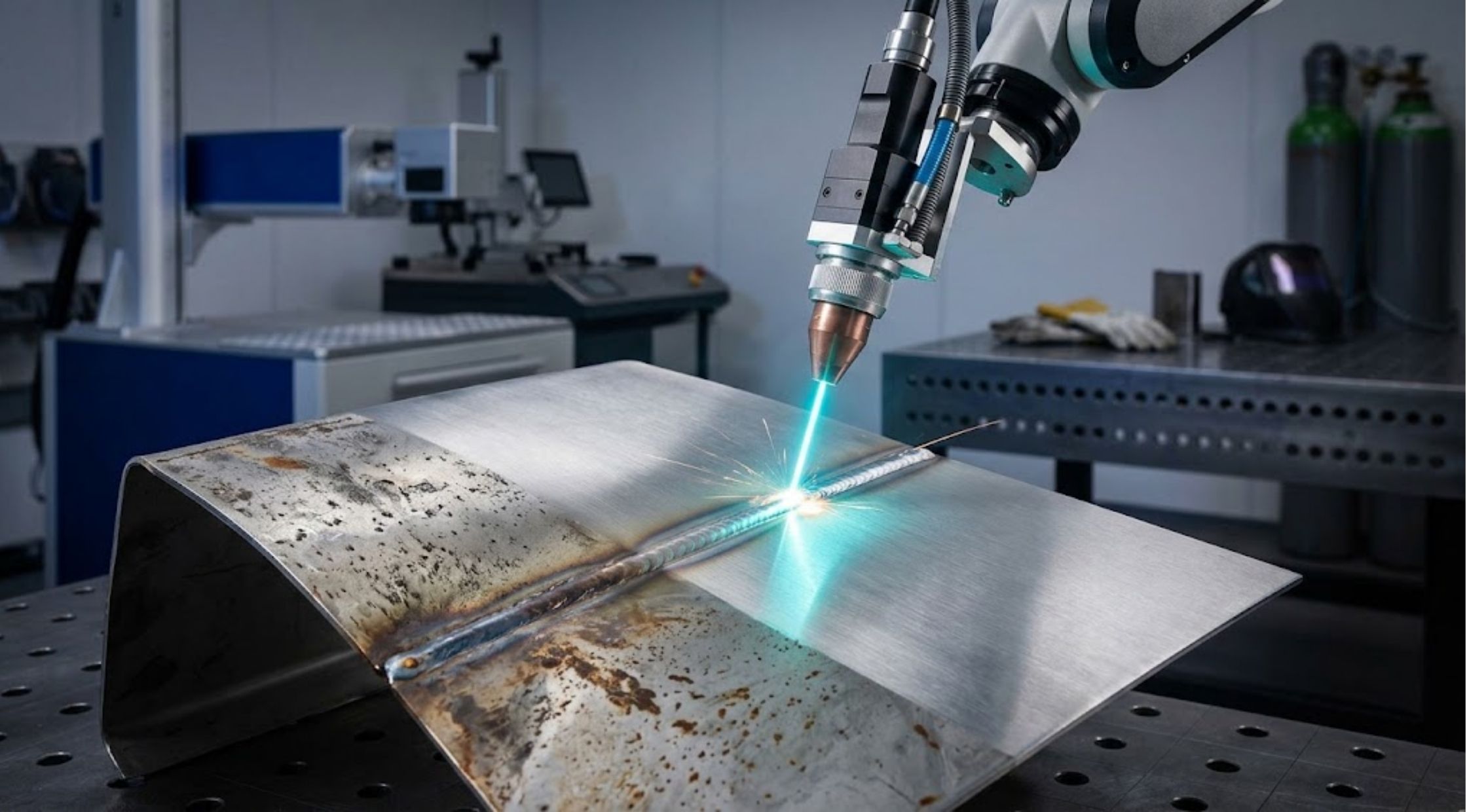
Metalworking can become frustrating when surfaces remain rough, welds look uneven, or finishing takes too long.
Metalworking can become frustrating when surfaces remain rough, welds look uneven, or finishing takes too long. Traditional sanding and welding methods often demand extra effort to achieve clean results. However, modern laser technology offers practical ways to improve accuracy, consistency, and efficiency. Whether you handle fabrication professionally or manage detailed workshop projects, understanding laser sander, laser sanding, and spot welding solutions can help you work smarter.
Common Metalworking Problems That Slow You Down
Metal surfaces rarely arrive perfectly prepared for fabrication. Rough edges, oxidation, paint, rust, and uneven surfaces can complicate finishing work. Traditional sanding can remove unwanted material, but it may also produce inconsistent results.
Moreover, welding creates another set of challenges. Poor preparation can affect weld quality and appearance. Excessive heat can also cause discoloration, distortion, or unnecessary rework.
These issues become more noticeable when projects demand precision. Even small imperfections can affect the final appearance and durability of finished components.
Why Traditional Finishing Methods Create Challenges
Many workshops still use abrasive tools for surface preparation. These tools work effectively, but they can demand considerable manual effort. Operators must maintain consistent pressure and movement throughout the process. However, that consistency becomes difficult during detailed work. Aggressive sanding can remove more material than necessary. Meanwhile, insufficient sanding can leave contaminants behind. Laser technology approaches the problem differently. A laser can target unwanted surface materials with controlled energy. As a result, operators can achieve more precise cleaning and preparation with less physical contact.
Uneven Surface Preparation
Surface preparation directly influences the quality of later fabrication steps. Dirt, coatings, rust, and oxidation can interfere with welding and finishing. Therefore, a suitable laser sander can help prepare surfaces more consistently. Instead of relying entirely on abrasive contact, laser-based systems use focused energy to treat targeted areas.
Excessive Manual Labor
Traditional finishing often requires operators to make repeated passes with sanding discs or other abrasive equipment. However, this process can become tiring during large projects. Laser sanding can reduce some of that repetitive work. Moreover, operators can focus the laser on specific areas while maintaining better control over treatment.
Welding Inconsistencies
Welding quality depends heavily on proper preparation, effective technique, and suitable equipment. Moreover, contaminated surfaces can make creating clean and consistent welds more difficult.
For projects involving spot welding, proper surface preparation becomes especially important. Therefore, cleaner joining areas can support more reliable fabrication results.
Practical Ways to Improve Your Workflow
You do not always need to replace your entire workshop setup. Instead, improve the stages that cause delays or inconsistent results. First, inspect every surface before fabrication. Identify rust, coatings, dirt, oxidation, and uneven areas before starting the welding process. Next, choose the finishing method according to the material and application. Abrasive sanding remains useful for certain jobs, while laser-based treatment offers greater control. Additionally, maintain consistent operating settings throughout the process. Adjust laser power, speed, and focus appropriately for different materials. Follow equipment guidance to prevent unnecessary surface damage. Finally, keep your workspace organized and maintain your equipment regularly. Clean optics, proper ventilation, and routine inspections support consistent performance.
Consider a More Precise Finishing Approach
If surface preparation regularly consumes time, upgrading your equipment may offer a practical solution. A modern laser sander combines controlled laser energy with targeted surface treatment. For workshops handling demanding fabrication tasks, Xlaserlab offers laser-focused equipment for precision and efficiency. Moreover, its technology can help operators approach cleaning and preparation with greater control. The goal is not simply to add another machine to your workshop. Instead, the right system should solve specific workflow problems and reduce unnecessary effort.
Benefits of Upgrading to Laser Technology
Modern laser equipment offers several advantages when operators use it correctly. The biggest benefit often comes from improved control during surface preparation. With laser sanding, operators can target specific areas instead of treating an entire surface unnecessarily. This approach helps preserve surrounding material while addressing unwanted contaminants. Additionally, laser-based processes can reduce dependence on consumable abrasives. Traditional sanding requires discs, pads, and other materials that operators must regularly replace. A laser system can potentially reduce some of these recurring requirements. Another advantage involves precision. Controlled energy allows operators to work carefully around detailed components and specific treatment areas. Moreover, better preparation can support welding operations. When operators properly clean surfaces before spot welding, they may achieve more consistent joining conditions.
Greater Efficiency
Time matters in every workshop. Repeated sanding, cleaning, and reworking can quickly increase project costs. Therefore, a suitable laser system can streamline preparation through precision and efficient surface treatment. This approach helps operators spend more time fabricating and less time correcting avoidable imperfections.
Cleaner Working Processes
Abrasive finishing can generate dust and consume disposable materials. Laser systems approach surface treatment without relying on traditional abrasive contact.
However, appropriate safety procedures remain essential. Operators should always follow manufacturer instructions, use suitable protective equipment, and maintain proper workplace ventilation.
Better Long-Term Value
Premium equipment should provide value beyond its initial purchase price. Consider productivity, maintenance requirements, consumable costs, precision, and versatility before upgrading.
Xlaserlab provides options for businesses looking to incorporate modern laser technology into their fabrication workflows. The right equipment can become a useful long-term investment when it matches your materials and workload.
Make Your Workshop More Precise and Efficient
Metal finishing and welding become easier when you give preparation the attention it deserves. Rough surfaces, contaminants, excessive manual labor, and inconsistent preparation can affect final results. However, combining traditional methods with modern technology can solve many of these challenges. For demanding applications, laser sander and laser sanding technology can provide greater control during surface treatment.
Likewise, cleaner preparation can support more dependable spot welding processes. Before investing, evaluate your workload, materials, precision requirements, and expected return. Therefore, consider whether these needs make laser technology the right choice. If they do, exploring solutions from Xlaserlab can provide a sensible next step. The right upgrade should not simply modernize your workshop. Instead, it should make your everyday work more controlled, efficient, and consistent.